Steel vs. Fiberglass Front Doors: Which Is the Better Investment for Your Home?
Your Front Door Does More Work Than You Think
Your front door handles a lot. It frames your home's first impression, weathers every storm, insulates against heat and cold, and greets every person who walks up your driveway. When it starts to show its age — whether that's warping, drafts, peeling paint, or a deadbolt that sticks — replacing it isn't just cosmetic maintenance. It's a meaningful investment in your home's comfort, security, and resale value.
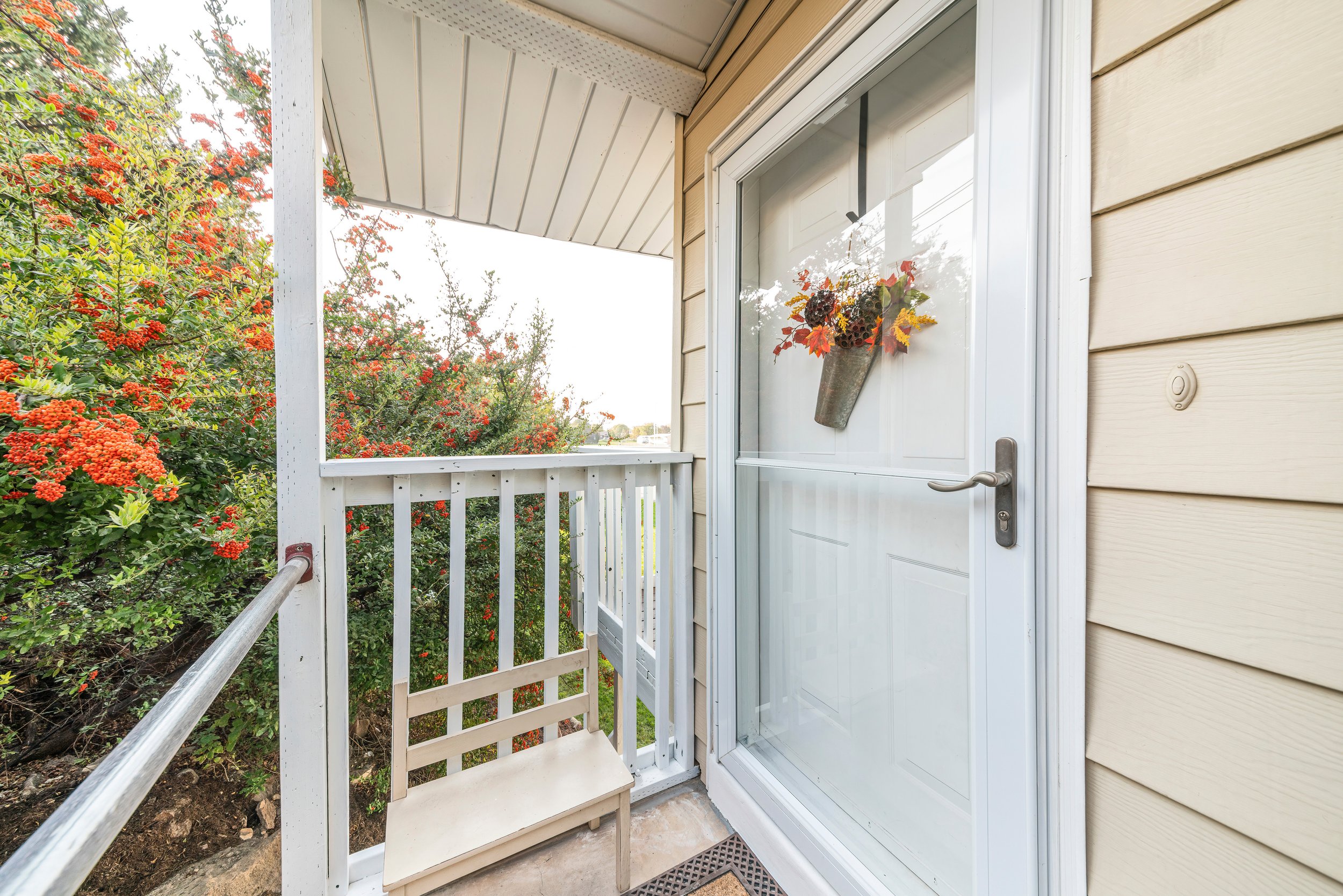
And when you start shopping, the conversation almost always comes down to two materials: steel and fiberglass.
Both are excellent options in the right context. Both are miles ahead of aging wood doors in terms of energy efficiency and durability. But they perform differently, look different, and suit different homes and budgets. This guide will break down exactly what separates them — so when you're ready to make a decision, you're making it with confidence.
Steel Doors: What You're Getting
Steel doors have been the workhorse of the residential door market for decades, and for good reason. They offer exceptional strength at a lower entry price point than fiberglass, and they hold up well against forced entry — making them a popular choice for homeowners who prioritize security above all else.
Advantages of Steel
Security. Steel is inherently difficult to kick in or compromise. For homeowners focused on keeping intruders out, steel offers serious peace of mind.
Affordability. Steel doors typically cost less than fiberglass at the same size, making them a strong value option for budget-conscious projects.
Fire resistance. Steel is non-combustible, which means certain steel doors can earn fire-rated classifications — useful for garage-entry or utility doors.
Paintability. Steel takes paint well and can be refreshed relatively easily if you want to change the color over time.
Limitations of Steel
Susceptibility to dents. Steel dents — and unlike fiberglass, dents in steel doors are difficult and expensive to repair cleanly. A stray bicycle, a wayward lawn tool, or a hard hailstorm can leave permanent marks.
Rust and corrosion. In humid climates like Tennessee, exposed steel can rust over time, especially at the bottom edge. Proper installation and maintenance are critical.
Thermal bridging. Steel conducts temperature. Without a good thermal break in the core, steel doors can transfer cold in winter and heat in summer, reducing energy efficiency.
Limited aesthetic range. Steel doors can be embossed to mimic wood grain, but the effect rarely fools a close-up eye. If authentic appearance matters, steel has real limitations.
Fiberglass Doors: What You're Getting
Fiberglass has emerged as the premium choice for homeowners who want the look of wood without the maintenance nightmare — and the performance of steel without the denting and rusting. It's the option we see high-end buyers gravitating toward most consistently, and for good reason.
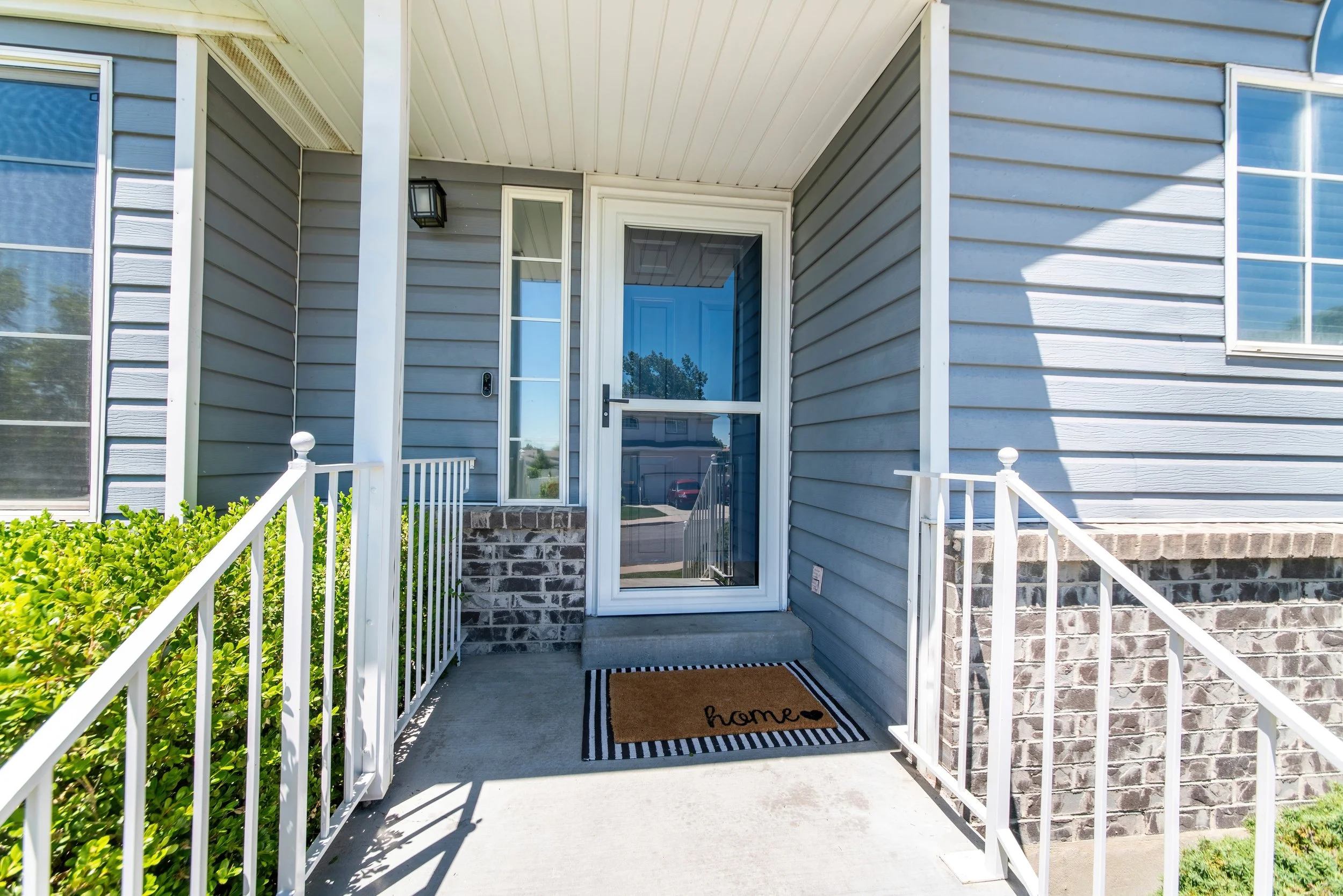
Advantages of Fiberglass
Exceptional durability. Fiberglass doesn't dent, doesn't rust, and doesn't warp. It holds its shape and finish over decades with minimal intervention.
Superior energy efficiency. Fiberglass doors are typically filled with polyurethane foam insulation and provide excellent thermal performance — often outperforming steel on energy efficiency metrics.
Wood-grain aesthetics. High-quality fiberglass doors can be stained to genuinely look like real wood. For a front door that makes a statement, fiberglass gives you options steel simply can't match.
Low maintenance. No painting every few years. No rust treatment. No weather stripping failures from warping. Fiberglass doors are nearly set-it-and-forget-it.
Resale value. Fiberglass consistently ranks among the top ROI home improvements. Buyers notice quality at the front door — it signals care and craftsmanship throughout the home.
Limitations of Fiberglass
Higher upfront cost. Fiberglass doors cost more than steel at comparable sizes and configurations. For some homeowners, the initial price is a barrier.
Can crack under extreme impact. While dent-resistant, fiberglass can crack under severe impact in ways that steel might simply deform.
Head-to-Head: Steel vs. Fiberglass at a Glance
Here's how the two materials stack up across the categories that matter most to homeowners:
| Category | Steel Door | Fiberglass Door |
|---|---|---|
| Durability | Strong; can dent under impact | Excellent — resists dents, rust, and warping Edge: Fiberglass |
| Energy Efficiency | Good with thermal break core | Excellent — foam-filled, low thermal conductivity Edge: Fiberglass |
| Curb Appeal | Functional; limited grain realism | Premium — stainable, high-end wood-grain appearance Edge: Fiberglass |
| Maintenance | Moderate — can rust, may need repainting | Low — holds finish for years with minimal upkeep Edge: Fiberglass |
| Security | Excellent — very difficult to breach Edge: Steel | Very good — reinforced frame systems available |
| Upfront Cost | Lower entry price Edge: Steel | Higher upfront; strong long-term ROI |
| Best For | Security-focused or budget-conscious buyers | Appearance, performance & high-end homes |
Not sure which is right for your home? Come see both in our Cookeville showroom — we'll help you decide.
So Which One Should You Choose?
There isn't a universal right answer — but there is a right answer for your home specifically.
Choose steel if your primary concerns are upfront cost and security, and if your door is in a protected entryway that doesn't get direct weather exposure. Steel is a smart, practical choice in the right application.
Choose fiberglass if you want the highest performance, the best curb appeal, and the lowest long-term maintenance burden. For homes in exposed locations — or for homeowners investing in a premium look that holds its value — fiberglass is consistently the better long-term investment.
For most of our clients in Cookeville, Lebanon, Mount Juliet, and the surrounding communities — especially in higher-end neighborhoods where appearance and quality matter — fiberglass is the choice we recommend most often. But the door has to fit the home. That's why we always suggest seeing both in person.
Why Installation Matters as Much as the Material
Here's something most door guides won't tell you: a premium fiberglass door installed poorly performs worse than a basic steel door installed correctly.
Door installation is not a simple job. The frame has to be plumb, the weatherstripping has to compress properly, the threshold has to seal cleanly, and the hardware has to align under real-world conditions including seasonal expansion and contraction. When any of these elements are off, you pay for it in drafts, energy waste, and premature wear.
At Willow Window, every door we sell is installed by our own trained, in-house team — not subcontractors. Jonathan and Brittany are licensed contractors who have personally built our installation standards and trained every technician on staff. When we install your front door, we stand behind the complete result: the product and the work.
That's the standard your home deserves.
Come See Both Doors in Person at Our Cookeville Showroom
Photos don't do justice to the difference between a high-quality fiberglass door and a steel door. The finish, the weight, the hardware feel, the grain detail — these things only become clear when you're standing in front of them.

We built our showroom in Cookeville so that homeowners across Putnam County, White County, Cumberland County, Overton County, DeKalb County, Lebanon, Mount Juliet, and the surrounding region can come see the products they're considering before they make a decision.
When you walk in, you're not talking to a salesperson on commission. You're talking to people who understand these products deeply and will give you an honest recommendation for your specific home, your specific needs, and your specific budget.
No pressure. Just the right door, installed by the right team.